


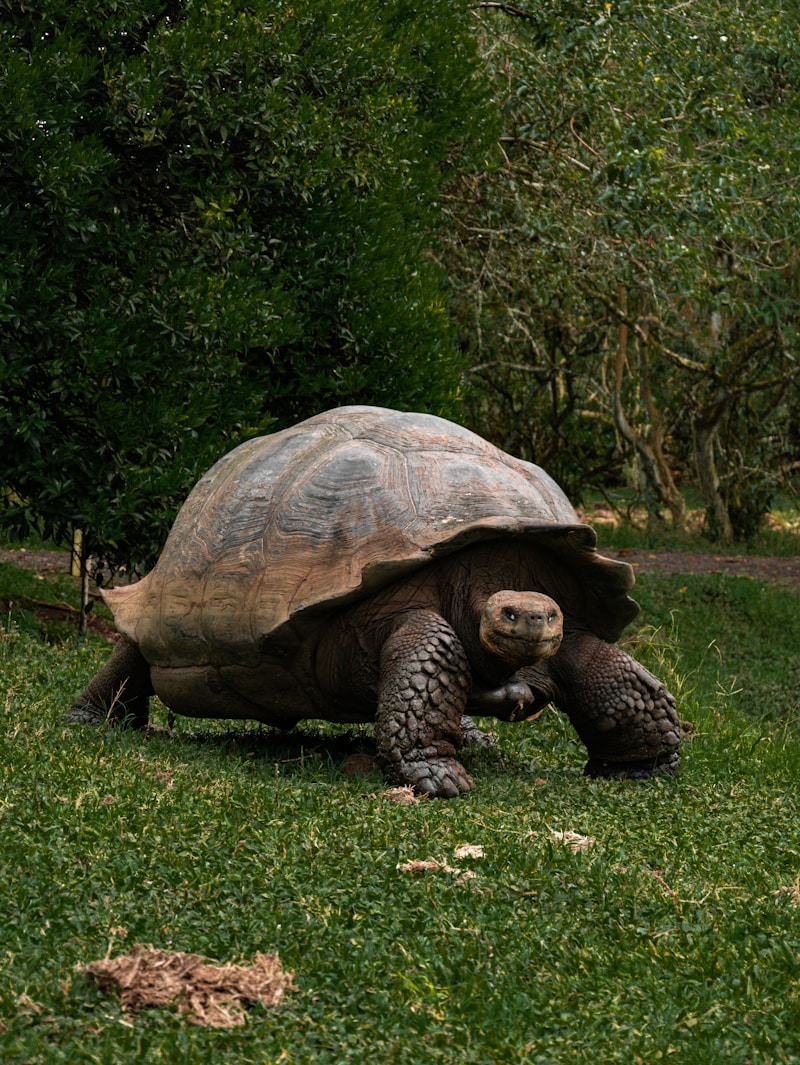
In the remote borderlands of Nagaland, where New Delhi feels like a world away, something remarkable is unfolding. A species that was heading toward extinction is making a comeback—not through top-down government mandates, but through the hands of local youths who once belonged to communities that hunted them.
The Asian giant tortoise, mainland Asia’s largest tortoise species and now critically endangered, nearly disappeared entirely. But a captive breeding program at the Nagaland Zoological Park changed everything. What began with just 13 individuals—some rescued from market stalls where they were destined for dinner, others recovered from homes where they’d been kept as pets—has blossomed into a population of 114. That’s roughly half the entire wild population across all of Asia, according to some estimates. The turning point came when villagers voluntarily donated tortoises they’d been keeping, a shift that transformed the narrative from exploitation to restoration.
Here’s where the story gets really interesting. Rather than rely on distant conservationists, the program handed the responsibility directly to local communities. Young men and women trained in basic conservation strategies now patrol the 407 community forest reserves that make up 80% of Nagaland’s territory. Iteichube, a 33-year-old guardian at the 370-hectare Old Jalukie Conservation Reserve, starts his day at 8 a.m. wearing an olive drab t-shirt labeled “Tortoise Guardian,” searching for signs of foraging activity and monitoring the tortoises he’s helped release. This one-to-one involvement creates something no government program ever could: genuine attachment and accountability.
The work matters because these aren’t abstract conservation targets. The Asian giant tortoise builds nesting mounds between 2 and 7 feet high, a unique reproductive strategy found nowhere else on Earth. Over 100 tortoises have been released into these tribal reserves, all closely tracked and protected by people who now understand firsthand how important they are to keeping their forests vibrant. Previous federal reintroduction efforts failed to protect the animals or even keep track of them. This grassroots approach is working.
The success in Nagaland is already inspiring neighbors. Manipur recently hatched its first clutch of artificially incubated Asian giant tortoises at the Manipur Zoological Gardens. Local elders there recall childhoods riding these creatures along forest paths—a privilege they thought was lost forever. Thanks to collaboration between zoos and communities, the next generation might just reclaim that story.
What makes this story stick isn’t just the numbers or the biological victory. It’s the complete reversal of a relationship. The people who once saw these tortoises as game to be hunted now see themselves as their guardians. That’s not a policy win—it’s a cultural transformation.