


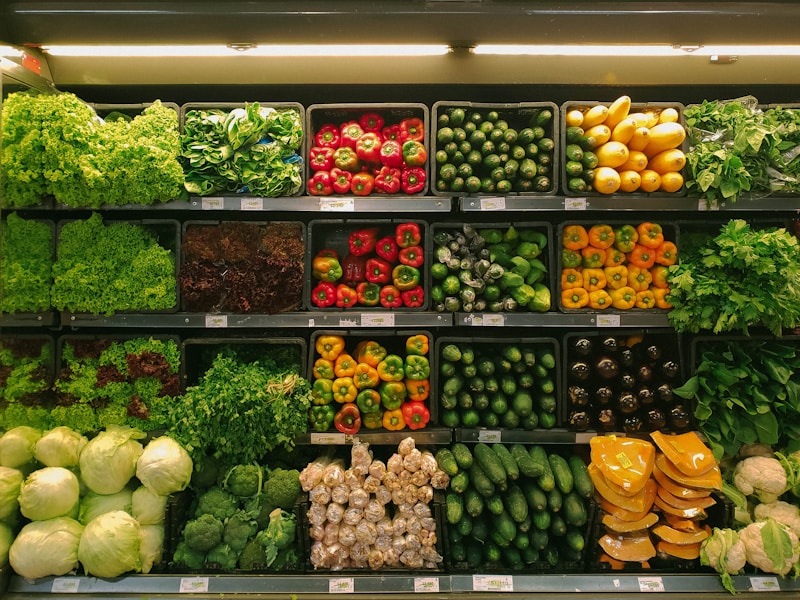
There’s a reason produce prices aren’t budging downward even when shelves are bursting with supply. According to TikToker @itskaylajaiden, who shared insights from her experience working in grocery retail, the real culprit isn’t scarcity—it’s strategy.
In a viral video that’s sparked heated debate across social media, the TikToker laid out a stark claim: supermarket chains are deliberately discarding massive quantities of perfectly good food to protect profit margins. She described witnessing entire shipments of produce—vegetables, fruits, anything slightly deformed or nearing expiration—get trashed rather than sold at a discount. Even more troubling, she alleged that stores would lock dumpsters, pour bleach on discarded food, and in some cases burn it to prevent people from retrieving it.
The system exists, she argued, but stores aren’t using it. Dynamic pricing—the practice of lowering prices on items approaching their sell-by date—already has proven success at reducing waste while making food more affordable. Yet she claimed only 25% of stores across America actually implement it. Why? According to @itskaylajaiden, “Companies would rather protect their profit margins than normalize cheaper food access.” If food became too accessible, the theory goes, prices would have to fall, and that’s simply not in the spreadsheet.
The frustration she voiced resonates hard, especially for people already stretched thin by grocery bills. Her broader point—that feeding people is treated as unprofitable under the current system, and that “food should be a right” rather than a privilege—taps into something many have felt while watching prices climb and their shopping carts shrink.
Of course, the internet’s response was predictably mixed. On Reddit, some defended corporate practices, pointing out that expired or damaged food can’t legally be donated and that tax deductions for charitable giving work differently than she suggested. Others pushed back on her authority, noting that shelf-stocking experience doesn’t translate to understanding business economics. But plenty of others chimed in with their own stories from grocery stores, delis, and restaurants—all confirming the same pattern of edible food hitting the bin.
Whether you buy her entire argument or not, one thing’s harder to dispute: the gap between what gets thrown away and what gets bought is real. And maybe that conversation is worth having, especially when families are choosing between groceries and rent.